Riding in Style: What It’s Really Like to Own a Residential Elevator
July 23rd, 2026 | by Angie Mays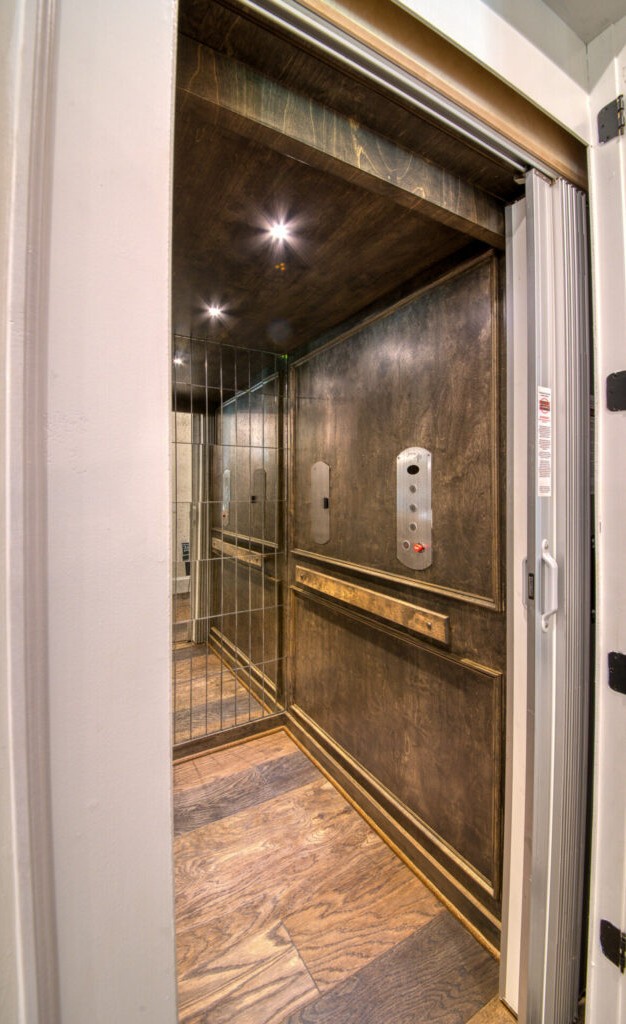
For years, home elevators were something most people associated with sprawling estates or television shows about the ultra-wealthy.
Today? They’re showing up in custom homes across Birmingham for a much more practical reason.
Many of our clients aren’t building their “forever home” for the next five years. They’re building it for the next thirty.
An elevator isn’t just a luxury anymore. For many families, it’s part of a long-term plan that lets them enjoy every floor of their home for decades to come.
So what does it actually cost? What should you plan for? And what’s it really like living with one every day?
Let’s take a look.
Why More Homeowners Are Choosing Elevators
The biggest surprise?
Most people don’t install an elevator because they need one today.
They install one because they’d rather not move later.
A residential elevator allows homeowners to:
Age in place comfortably
Carry groceries, luggage and laundry between floors
Easily accommodate family members with mobility challenges
Increase accessibility without sacrificing beautiful design
Future-proof a custom home
Many owners joke that the elevator gets used just as often for Costco runs as it does for people.
How Much Does a Residential Elevator Cost?
This is always the first question.
The answer depends on finishes, number of floors and the type of elevator selected, but a good planning range is:
Elevator equipment
$30,000-$45,000
Construction of the shaft and structural preparation
$15,000-$30,000
Electrical work, inspections and installation
Varies by home
For most custom homes, homeowners should expect a total investment somewhere between $45,000 and $80,000, with high-end custom finishes pushing beyond that.
The biggest advantage?
Planning for an elevator during construction is dramatically less expensive than adding one later.
What Do You Need to Plan For?
Installing an elevator starts long before installation day.
Your builder and architect need to coordinate:
Elevator shaft location
Structural framing
Machine room (if required)
Electrical service
Pit depth beneath the elevator
Ceiling height at the upper landing
Door swing and hallway clearances
This is why it’s important to discuss an elevator early in the design process rather than trying to squeeze one into finished plans.
Are Residential Elevators Safe?
Modern residential elevators include multiple safety systems including:
Emergency lowering during power outages (depending on model)
Battery backup
Door interlocks
Emergency communication
Automatic braking systems
They also require inspections and routine maintenance much like HVAC systems.
How Big Are They?
Most residential elevators are designed for two or three people.
Typical cab sizes range from about:
36″ x 48″
40″ x 54″
Large enough for groceries, laundry baskets, luggage—or one very spoiled Labrador.
What Is Maintenance Like?
Fortunately, not much.
Most manufacturers recommend annual service visits to inspect:
Cables or drive systems
Safety devices
Door operation
Battery backup
Controls
Routine maintenance is relatively inexpensive compared to many other home systems.
Will It Increase Home Value?
While it’s difficult to assign a specific dollar amount, elevators often increase a home’s appeal to luxury buyers.
Even buyers who don’t need one today recognize the convenience and long-term flexibility.
Is It Worth It?
Only you can answer that.
But nearly every homeowner we’ve worked with who has installed an elevator tells us the same thing:
“We use it far more than we ever expected.”
What starts as planning for the future quickly becomes part of everyday life—whether that’s carrying holiday decorations, moving suitcases upstairs or simply avoiding one more trip with an armful of laundry.
For many families, an elevator isn’t about luxury.
It’s about making sure the home they build today is one they can continue enjoying for years to come.